These Zoom conversations brought together experiences and ideas from a range of education practitioners - and provide the basis for a series of new ET publications to stimulate dialogue about educational practice & policy relating to climate change.
How goes it for .......
~ school initiatives?
Tim Brighouse, Mick Waters and people in school leadership roles, including those from Barrowford Primary - Lancashire, and Windsor Academy - West Midlands, will start a conversation.
What should we learn from school initiatives?
'About Our Schools - Improving on Previous Best" provides a stimulus for thinking about the educational context of the How goes it? debate.

~ young people?
The conversation will be started by Lucy Kirkham, Bassaleg School, Newport, her students, and Rhiannon Hawkins.
What is the scope of student feelings? How do we find out about them?
Two sources that offer background to the discussion:
Julia Steinberger from the University of Lausanne writes: "Today I went to give a climate talk at my old high school in Geneva — and was given a masterclass in our failings. This is the story of a day that shook me up."
Rhiannon Hawkins is involved in an ACAMH* initiative: Ecological Crisis and the Impact on Mental Health.
It explores explores a variety of ideas that will inform the 'How goes it? debate, including the notion of 'Eco-Anxiety'.
* Association for Child and Adolescent Mental Health
~ change agents?
Bill Scott and Dorit Braun will start a conversation about the tension between education driven and campaign driven agendas. How do we bring these together to address the needs of learners?
Background: see ET [1.4] article Bill Scott >>
Prof. William Scott is Chair of NAEE [National Association for Environmental Education].
Making progress is difficult because:
❏ academic institutions tend to organise themselves within well protected disciplines,
❏ national curricula do little to encourage integration,
❏ too many external organisations which say they want to help still focus too much on their own interests rather than the bigger picture.
~ children?
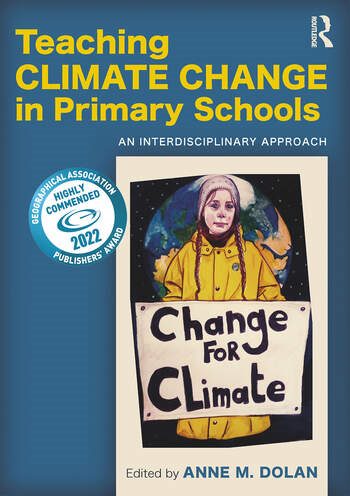
Head, Rachel Tomlinson and author Anne Dolan will start the conversation with Tim Brighouse - focusing on Primary school experiences and the challenges involved.
What should we learn from school initiatives?
What are the priorities with young learners?
What are the challenges?
~ awareness of justice perspectives?
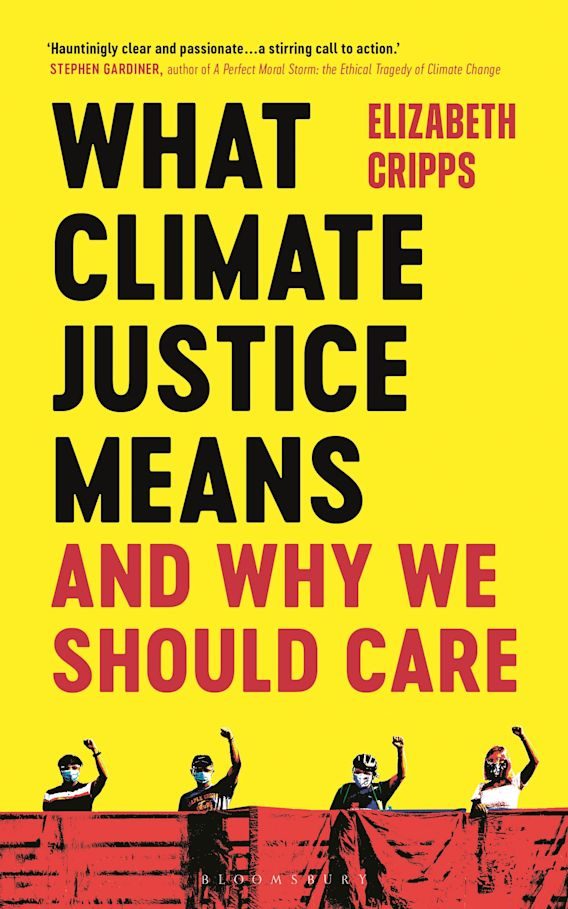
Liz Cripps will start the discussion. She is a writer and moral philosopher at the University of Edinburgh.
She is the author of What Climate Justice Means and Why We Should Care.
How should a justice perspective influence what is taught about climate change? How do we enable learners to make the connections?
How should a justice perspective influence policy thinking -- about climate change? -- about education?
BACK TO LEAD PAGE: THE EDUCATIONAL IMPLICATIONS OF CLIMATE CHANGE