The Ubuntu Influence
Tide~ had several projects highlighting matters relating to apartheid, not least the work enabled by a 2-week visit to Birmingham by Desmond Tutu in 1989.
Post-apartheid there were projects that involved visits to South Africa and a group of Cape Town headteachers visiting Birmingham. The most significant were those that inspired our practice and led to publications such as 'Towards Ubuntu' and 'Exploring Ubuntu'.
Elephant Times [ET 1] features articles by Clive Harber, Jeff Serf, Richard Woolley and Linda Clark reflecting on this.
A special issue of the Elephant Times [developed in collaboration with the School of Education at the University of Worcester] focused on Ubuntu and its potential to inform a vision of education in a post-Covid world.
The magazine included 10 articles each with a different focus ranging from inclusion and diversity to music and connections with nature.

An entitlement?
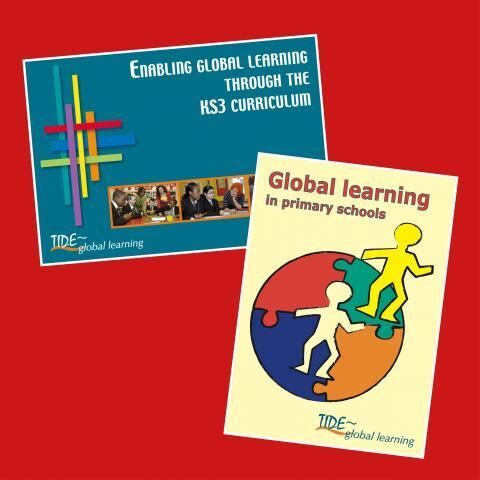
Both these Tide~ publications, with their focus on Primary and Key Stage 3, advocate the idea of entitlement.
In the 2022 pandemic world that is grappling with new realities, not least relating to climate change, there is a need to enable teachers and their students to revisit and develop the notion of entitlement.
The project that led to the publication - 'Global Learning in Primary Schools' - grew out of the consultation about learning in a increasingly globalised society. The paper Bringing it all together is worth a revisit.
'Enabling global learning' proposes that there is a need to consider both the role of subjects and cross-curricular approaches.