Dialogue skills ...
- to connect personally with people - people from other schools - people with diverse cultural or life experiences;
- to connect with the natural world - to connect different aspects of environment, locally and globally;
- to connect with political and economic perspectives locally and elsewhere in the world;
- to connect with people locally and elsewhere in the world who lack power, voice and visibility;
These skills contribute to a life long capacity to reflect on ideas and make connections between different aspects of learning.
Building dialogue skills is a long-term strategy. The Connecting Dialogues Initiative seeks to build up examples from across the key stages.
In this, an age of division, learners need the opportunity to explore complexity: to engage with ideas and perspectives from different parts of the world; to experience constructive dialogue, even when they disagree; and to develop skills to access their own dispositions - to work out things for themselves.
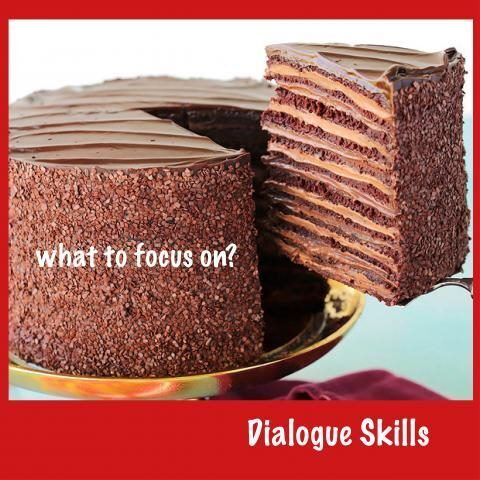
We can not teach everything -- the 'whole cake'.
We need to focus on skills so learners can learn to develop their own 'Critical Reality Assessment' processes to take stock of new information, to evaluate events and to review their choices.
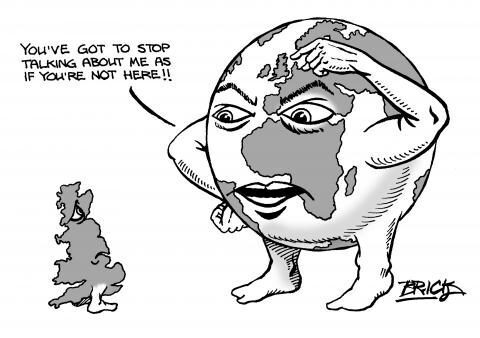
There are global dialogues on our doorstep. The priorities for investment and economic development or how we respond to climate change are as contested in the UK as they are in other countries. As are the models of development that either engage communities or impose plans on them. See the core Connecting Dialogues document page 20 for more on this and on Planning Processes.