.
Bill Scott asks: -- How can we seize the opportunity to think about what profoundly matters?
".... ......... argued that environmental and social systems needed to be thought about together in a single conceptual structure. This was necessary, he said, if we were to tackle, in a realistic and practicable way, the global issues that challenge our survival. Careful judgement would be needed, he said, and the longer this was delayed the more difficult it would be to make real progress. This rethinking obviously needed to apply to the curriculum as well."
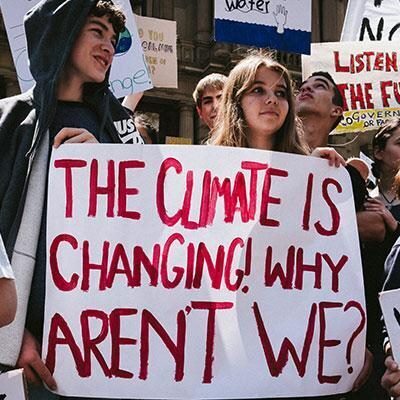
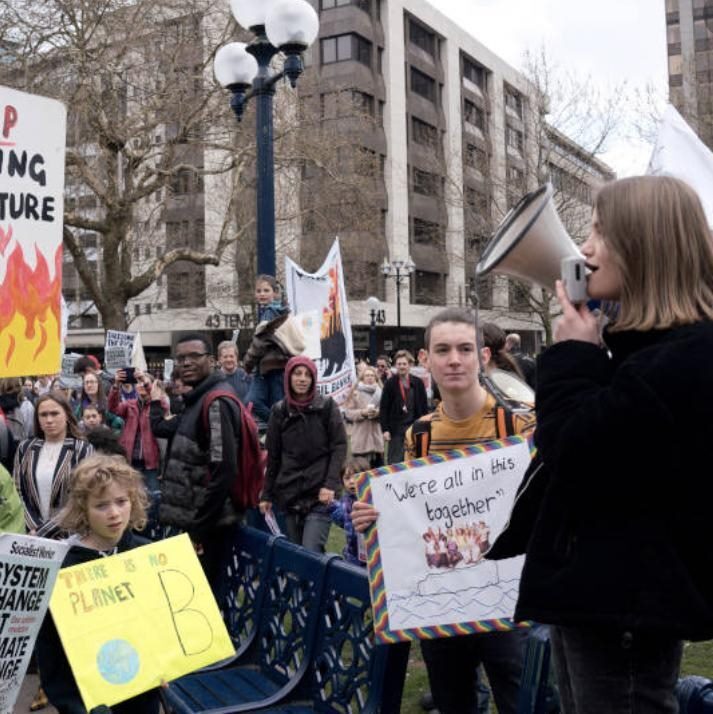
Katie Riley - her experience of climate change strikes.
"As a 16-year-old I found myself: organising, lobbying and constantly networking. Now, at 18, I am writing a book and exploring the ways the climate movement impacted on youth in other countries, especially in places where it is difficult or close to impossible to strike or protest."
She concludes -- "However, it is important that the issues discussed aren't limited to ice caps melting and polar bears, but include those most vulnerable in the Global South and the impact that climate change is having today. "
Learner motivation is there. How do we respond?
See the article from ET 1.4 ......
.
Zafroon Bibi & Maria Ferrante - Thornton Primary, write about stimulating discussion on climate change
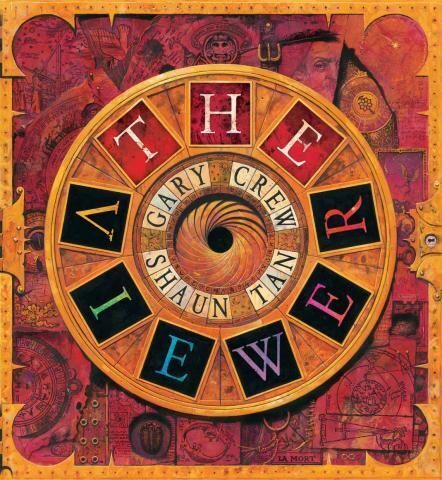
''The Viewer'- written by Gary Crew and beautifully illustrated by Shaun Tan - was used by Year 6 teachers to initiate discussions about climate change ....... "
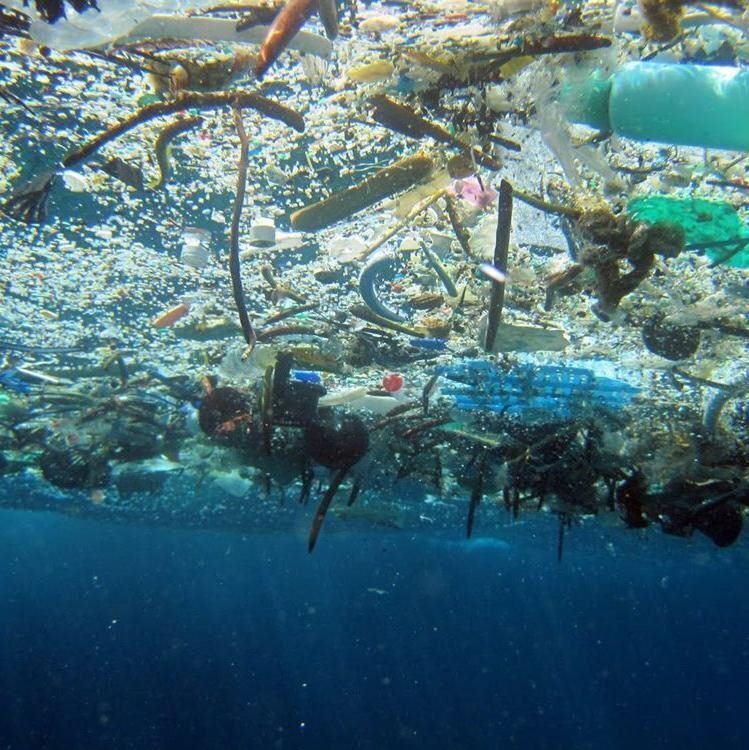
In order to encourage our children to become critical thinkers and to think 'outside of the box', we decided to focus on one aspect of climate change - the negative impact plastic has on our environment.
Pupils watched a series of short videos. One of which explains journeys taken by three plastic bottles .... "
Hannah Boydon, Deputy Head Teacher Mayflower Primary in Leicester wrote in ET 1.4 about her learning journey --
There was a growing realisation that we needed to shift away from a charity mindset towards a global justice mindset – we needed to find the causes of things, rather than repeating the same donation cycles year on year.
As a school, we have accepted that we need both – we need to help the people in immediate need, but we also need to ask questions and find out why they are in need and what must change in order to improve their situation.
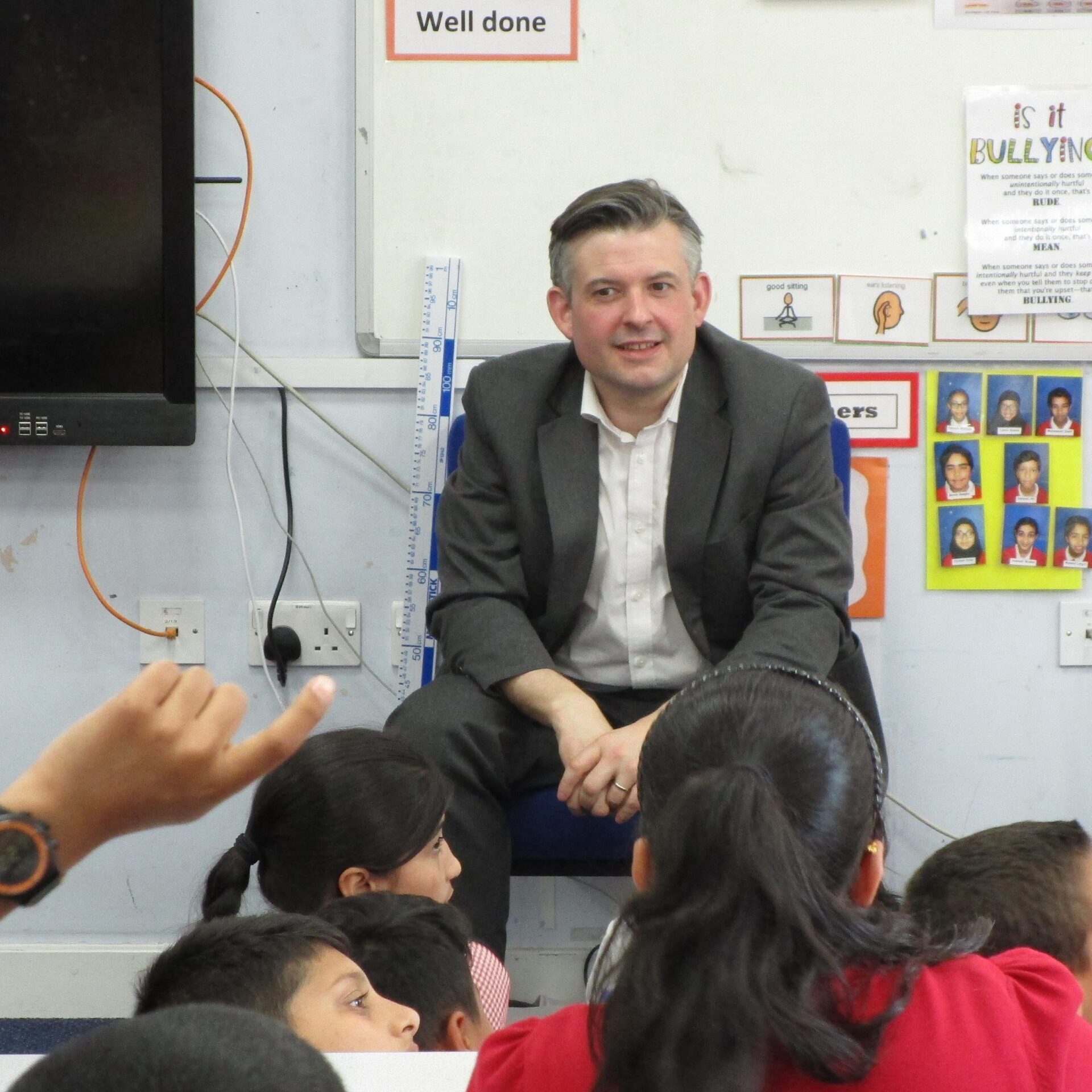
Image: John Ashworth MP visiting the school. - Responding to questions about sustainable development
James Boddey - Director, Busy Bodies Child Care Centre, Ludlow, wrote in ET 1.6 - a special issue exploring aspects of Ubuntu .
"Freedom With Connections ... incorporates the main aspects of our philosophy and our aspirations for everyone. Children must feel safe, comfortable and supported in the physical and emotional environments we have created, because only then will they be able to explore, take risks, develop relationships, and grow emotionally. We want children to be free to develop in their own uniqueness and experience the freedom to flourish. "
Connection With Nature ...
Connection With Self and Others ...
Connection With Community ...
Education must contribute to developing a sense of "freedom with connections" - more freedom to explore our own unique full skills and potentials, whilst recognizing that we are connected to each other and have a vital role to play in supporting everyone to become the best they can be."
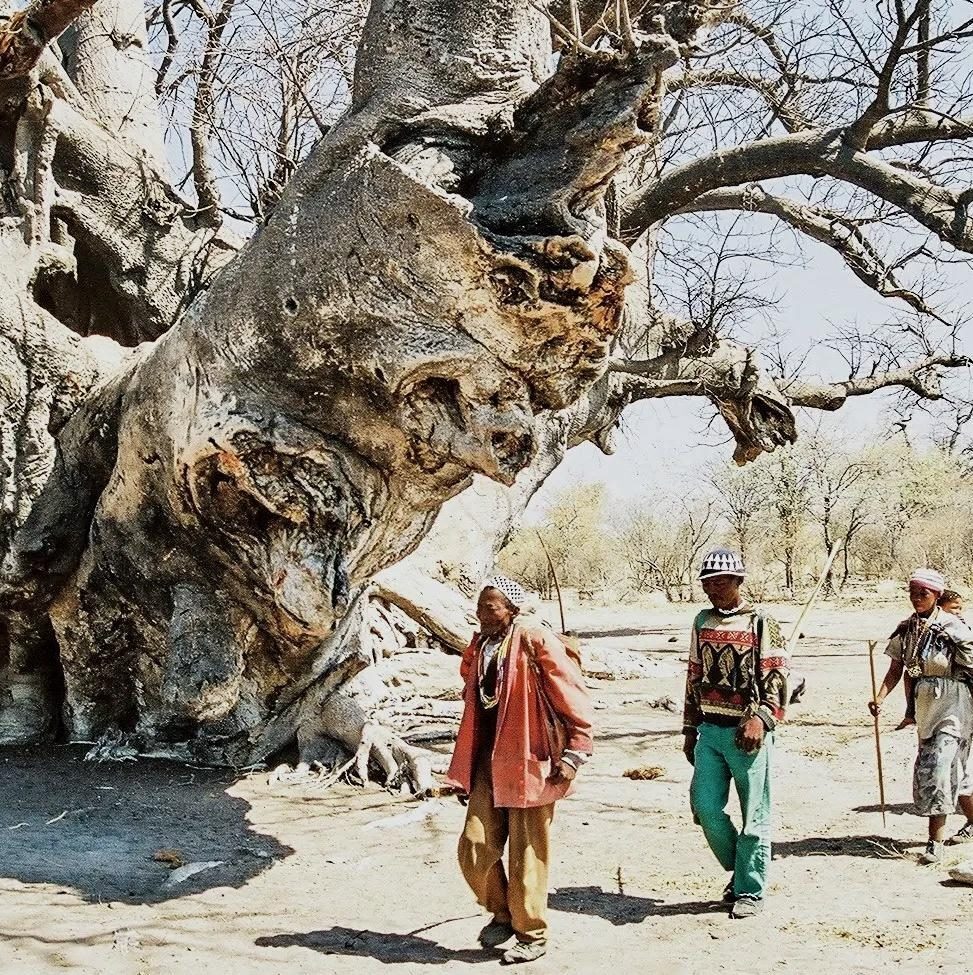
Jon Cree reflected on his experiences in 'Lessons from the Kalahari'
It was both humbling and deeply 'human' to spend time with a culture that maintains some of the practices of their, and our, ancestors from 150,000 years ago, and who are arguably directly connected to the "cradle of humanity" on the edge of the Okavango delta.
While the Ju/'hoansi see education as the way to survival for their community, there was also a deep wish to maintain their indigenous connection to the land. Indeed, the land is them and they are the land.
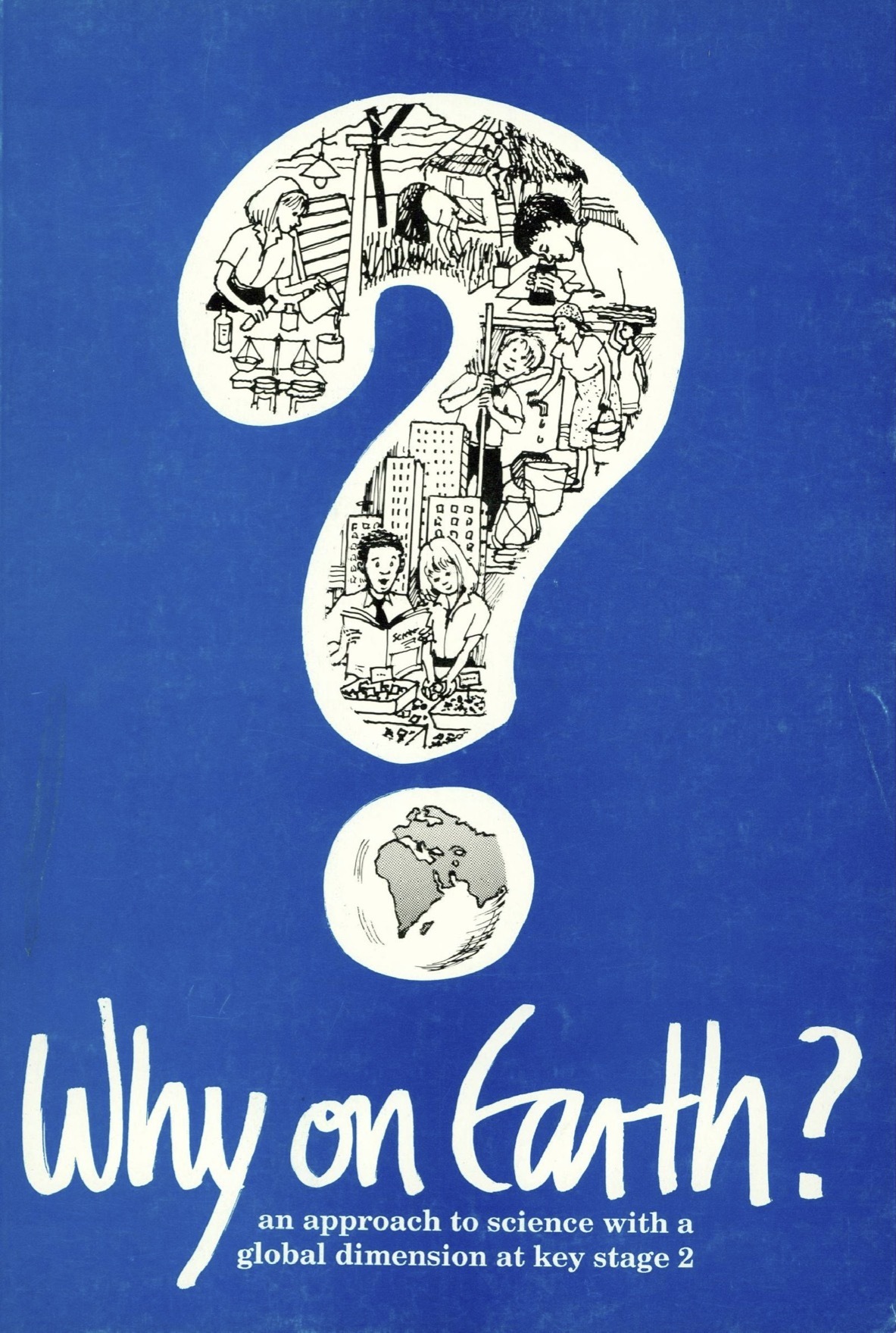
Talking about Primary Science and the publication Why on Earth?
Margaret Barnfield is asked
What aspects are the most relevant? ...
"Besides a clear guide to planning and classroom strategies, the book uses a wide range of stimulus activities for making science relevant to primary aged pupils.
For example, it illustrates how pupils can engage with the Sustainable Development Goals and climate change through the use of a wide range of examples to show pupils the relevance of what they're doing in class to their everyday life."

Gilroy Brown talking about the late Maurice Coles in ET 2.
"He saw life as a series of discoveries and one of his personal discoveries brought him peace – his discovery of Islam – and enhanced his already spiritual nature. Maurice believed that good teachers care about their pupils, care about their community and care about the planet"
Maurice's thought-provoking, TEDTalk 'Compassion for Planet: Education for Survival' is another stimulus to the 'How goes it?' debate.
"Technology ... including trees - and the sun"
BACK TO LEAD PAGE: THE EDUCATIONAL IMPLICATIONS OF CLIMATE CHANGE